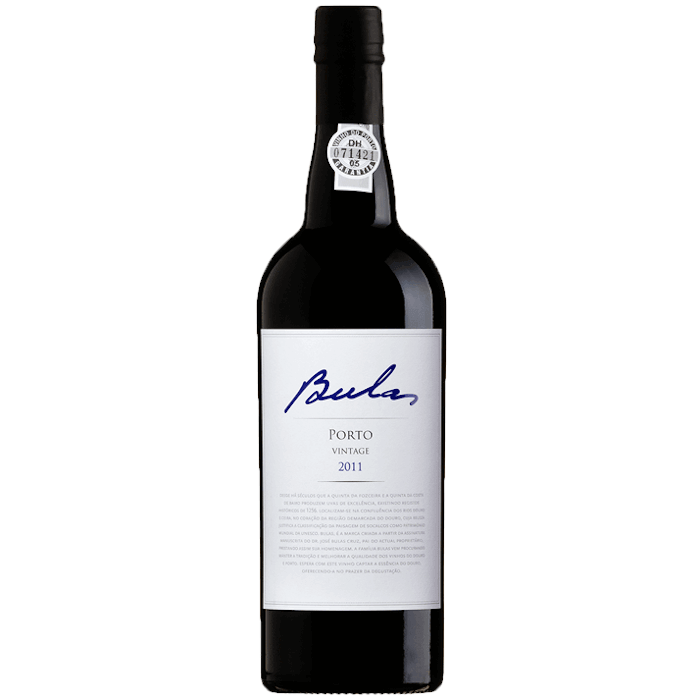
The 2011 Bulas Vintage Port (from Bulas Family Estates / M. Bulas Cruz, Douro Valley, Portugal) is a standout from one of the greatest modern Vintage Port years. Produced from classic varieties like Touriga Nacional, Touriga Franca, and Tinta Roriz (among others) from top A-classified vineyards such as Quinta da Costa de Baixo and Quinta da Fozceira in the Cima Corgo sub-region, it embodies the vintage’s hallmark purity, ripeness, concentration, and structure. This wine is typically deep, fruit-driven, and tannic, with excellent aging potential.
Here are the most detailed and consistent tasting notes compiled from reliable sources (including professional reviews and community tastings around 2013–2024, as the wine was young in early notes but has evolved):
- Appearance/Color: Very dark purple / deep inky purple with vibrant edges, often described as opaque and intensely colored—typical of young 2011s.
- Nose/Aroma:
- Primary fruits dominate: intense blue fruits (blueberry, fresh cassis), blackberry, dark plum, crushed wild strawberry, and ripe dark berries (including mulberry and black cherry in some notes).
- Fresh, juicy, and powerful with good concentration and a racy freshness.
- Subtle additional layers: fine touches of crushed ripe redcurrants, floral hints, some exotic spice or herbal notes, and occasional fudge/toffee/candy sweetness in the background.
- Overall: fruity, exuberant, ripe dark berry-driven, with a fine depth and youthful vibrancy.
- Palate:
- Full-bodied and complex, with exuberant ripe dark berry fruit (intense blueberry, dark plum, black fruits) upfront.
- Sweet but balanced—not overly cloying—with a luxurious, long finish.
- Tremendous structure: gripping, firm tannins on the mid-palate (very pronounced in youth, providing excellent backbone), well-integrated acidity, and a powerful yet racy character.
- Medium to full weight, with good concentration, freshness, and a platform of primary fruit that supports the tannic grip.
- Notes of spice (occasional black pepper or anise hints in broader 2011 context), chocolatey undertones in some, and a silky texture emerging with time.
- Finish: Very long and luxurious, with lingering dark fruit, tannins that provide grip without harshness, and a sense of balance that promises further evolution.
Scores and Impressions:
- Community/professional averages hover around 92 points (e.g., Falstaff 92, Vertdevin 92/100 or 16/20, individual notes up to 93).
- One detailed community note (from 2013, revisited in discussions): „Blue fruits and some blackberry on the nose. Very dark purple in color. Intense blueberry and dark plum on the palate. Tremendous, gripping tannins on the mid-palate and very long finish.” (93 pts).
- Another French review (Vertdevin, 2018): Emphasizes fruity/juicy/fresh nose with cassis, blueberry, wild strawberry, and redcurrants—powerful yet racy.
- General consensus: A benchmark for Bulas, more approachable relatively early than blockbuster houses (drinking window starting ~2020–2025+), but with serious structure for 20–30+ years of aging. Excellent value in the context of the stellar 2011 vintage.
By March 2026, bottles opened now should show some softening of tannins, more integrated fruit, and emerging secondary notes (e.g., subtle earth/mineral or evolved spice), while still retaining vibrant primary fruit. Decant 2–4 hours if youngish, and pair with strong cheeses, dark chocolate, or nuts.
Food Pairings for Vintage Port (including the 2011 Bulas Vintage Port)
Vintage Port, like the 2011 Bulas (a rich, structured, fruit-forward example from a stellar year), is a bold, sweet, fortified red wine with high tannins (especially in youth), intense dark fruit flavors (blueberry, blackberry, plum), floral notes, spice, and excellent aging potential. Now at 15 years old (as of March 2026), a well-stored 2011 should show softened tannins, more integrated fruit, and emerging secondary notes like leather, earth, or dried fruit—making it versatile for pairings.
The key principles for pairing Vintage Port:
- Match its intensity and sweetness with bold, salty, or rich foods to balance the sugar and alcohol.
- Avoid overly sweet desserts (the wine should be sweeter than the food) or light/delicate flavors that get overwhelmed.
- Classic tradition (especially British-influenced) favors post-dinner sipping with cheese or small bites.
- Serve slightly cool (around 16–18°C / 60–65°F) in small glasses; decant mature vintages if sediment is present.
Top Classic and Recommended Pairings
- Strong Blue Cheeses — The undisputed classic pairing for Vintage Port.
- Stilton (mature English blue): The salty, creamy, pungent intensity perfectly counters the wine’s sweetness and tannins; the buttery texture melds with the fruit.
- Roquefort, Gorgonzola, Cashel Blue, or Saint Agur Blue: Similar bold, tangy profiles amplify the Port’s majestic flavors without clashing.
- Why it works: Salt cuts sweetness; piquancy matches complexity. This is the go-to for many producers (e.g., Taylor’s, Fonseca) and experts.
- Dark Chocolate — A timeless match, especially for fruit-driven Vintage Ports.
- Dark chocolate truffles, bitter chocolate (70%+ cocoa), or flourless chocolate cake: The wine’s dark berry and plum notes echo the chocolate’s depth; tannins tame bitterness.
- Add red fruit elements (e.g., raspberry sauce or cherry-infused chocolate) for extra synergy.
- Avoid milk chocolate (better with Tawny Port) or very sweet varieties.
- Nuts and Dried Fruits — Simple, elegant small-plate options.
- Walnuts (classic with Vintage Port—the slight bitterness complements tannins).
- Dried figs, dates, or prunes: Their concentrated sweetness and chewiness pair with the wine’s evolved fruit and spice.
- Often served together with cheese for a cheeseboard finale.
- Savory/Meat-Based Dishes (for younger or more structured vintages, or creative pairings).
- Beef or venison (e.g., steak, roast, or with fruity sauces like berry reduction): Tannins cut through rich meat; fruit matches sauces.
- Mushroom-based dishes (e.g., wild mushroom risotto or pâté): Earthy notes align with the Port’s secondary development.
- Some adventurous pairings include delicate meats or even fish for very young vintages, but stick to classics for mature ones like 2011.
- Desserts (keep them not-too-sweet).
- Dark chocolate mousse or truffle desserts.
- Fig and walnut cake, caramel-based but restrained sweets, or low-sugar cheesecake.
- The Port’s residual sugar balances richer elements without overwhelming.
Quick Pairing Summary Table
| Pairing Category | Best Examples | Why It Works with Vintage Port (e.g., 2011 Bulas) |
|---|---|---|
| Cheese | Stilton, Roquefort, Gorgonzola | Salt + pungency balances sweetness & tannins |
| Chocolate | Dark truffles, 70%+ dark chocolate | Fruit depth echoes wine; tannins cut bitterness |
| Nuts/Fruits | Walnuts, dried figs, dates | Bitterness & chew complement structure |
| Savory | Beef/venison, mushroom dishes | Richness matches body; fruit enhances sauces |
| Dessert | Dark chocolate mousse, fig cake | Not overly sweet; enhances complexity |
For your 2011 Bulas specifically: Its vibrant dark fruit and gripping (but now softening) tannins make it shine with blue cheese or dark chocolate—try a small wedge of Stilton or a few high-quality dark truffles after dinner. It’s approachable now but still has years ahead, so these pairings will evolve as it ages further.

